What a conversation with a future AI-native knowledge worker revealed about what the emerging workforce actually wants
Written by Mercer's Tara Cooper
When we talk about AI readiness, we tend to lead with technology. What tools are in place. What's been deployed. What's on the roadmap. And that matters. But it's not the whole picture, and it may not even be the most important part.
I recently sat down with Sean, a Harvard student studying organizational strategy and AI-driven workforce transformation, to hear how the emerging workforce thinks about AI readiness. I expected a conversation about tools and skills. What I got instead was a conversation about agency: the ability to show up, contribute, and make a real impact quickly. AI is part of how they do that, but it's not the point. The point is being trusted to do something meaningful with it. That distinction matters more than most organizations realize.
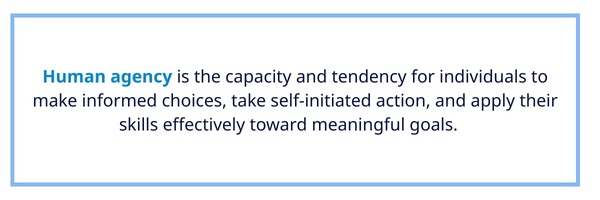
AI is the baseline. Agency is the differentiator.
For students entering the workforce today, AI isn't new or exciting on its own. It's ambient. Sean described his peers as a generation that's been "hit with AI from every direction" for most of their academic lives. They don't need to be sold on the technology. They've been using it.
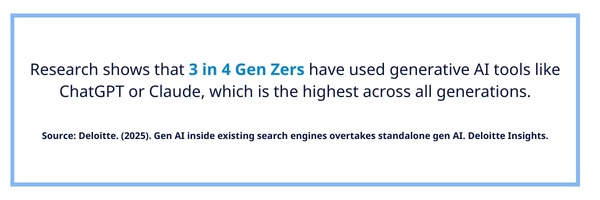
What they do need to be sold on is whether your organization will actually let them use it to do something that matters. When I asked Sean how he and his peers evaluate potential employers, the answer wasn't about what tools a company has. It was about structure and trust. How flat is the organization? Can someone new make tangible change? Is leadership visibly excited about AI, or quietly cautious?
This creates a real challenge for large employers. Not because smaller firms are necessarily outrecruiting them, but because the qualities this generation screens for (flat structures, visible AI commitment, the ability to make tangible impact early) are ones that smaller, more nimble organizations tend to signal more naturally. The competitive threat comes down to whether your culture and structure match what this generation is looking for.
The real constraints aren't technical
This connects directly to what we're seeing in Mercer's new operating model study. For years, the constraints on workforce performance were around human capacity: time, productivity, knowledge, skills. AI is rapidly removing those barriers. But what's emerging in their place are human agency constraints: access to the right data; AI competency; trust; permission to experiment; the freedom to act on what you see.
Sean's generation feels this intuitively, even if they wouldn't frame it in those terms. When he described how his generation views jobs as "waystations on a longer journey" where you go to learn everything you can before moving to the next opportunity, the subtext was clear: they'll stay where they have agency, and they'll leave when they don't. The expectation isn't that a company will map out a five-year development plan. It's that the company will get them into the action quickly and trust them to contribute.
Organizations that understand this shift will rethink onboarding, flatten decision-making, and give emerging talent real problems to solve early. They'll look to modernize their operating model to allow their workforce to move at the same speed as AI. They'll remove the shackles and allow real innovation to shine. The ones that don't will keep losing people to the ones that do.
What this means for leaders
When I asked Sean for one piece of advice he'd give today's executives, his answer came back to the same theme. Stop worrying so much about looking polished and start thinking about whether a new hire can actually make tangible change. He described the shift from the old intern model, where you showed up to observe and learn, to an emerging expectation that you can deliver impact from day one. The fresh eyes of a recent grad? They want to see that being valued.
At Mercer, our AI readiness work assesses organizations across mindset, people, process, and technology. What this conversation reinforced is that the "people" dimension isn't just about upskilling your current workforce. It's about whether your culture, structure, and leadership posture are set up to attract and empower the talent that's coming next.
The emerging workforce is "confused but excited," as Sean put it. They can see the transformation happening. They're ready to engage with it. But they're not just looking for the most impressive tech stack. They're looking for organizations that will trust them, give them access, and let them move.
In the age of AI, the limitation is no longer time or productivity. It's whether you're willing to remove the human constraints that keep people from doing their best work. This generation already believes AI can help them make an impact. The question is whether your organization believes it too. Now organizations need to build the cultures that let them prove it.
Closing thoughts
The irony is worth naming: what the emerging worker asks for — immediate agency, clear trust, and the ability to act — is the very unlock organizations need to realize AI's promise. AI can raise capacity; real ROI comes when people (and the machines they use) are empowered to act on it. If you want the value of AI, start by giving people the structure and trust to turn insights into action.
Learn more:
- Read our full AI Readiness report here.
- Register for Mercer's Monthly AI Forum. This monthly series discussing all things AI, HR, and work tech, along with operating model topics.